

What is and what does the macrobiotic diet consist of?
The macrobiotic diet is based on the primordial concept of the word. diet which alluded to the therapeutic capacity of food to improve health. It is not a closed pattern; but an approach based on the dynamic balance between yin and yang energies, applied to food and cooking, environment, climate and lifestyle.
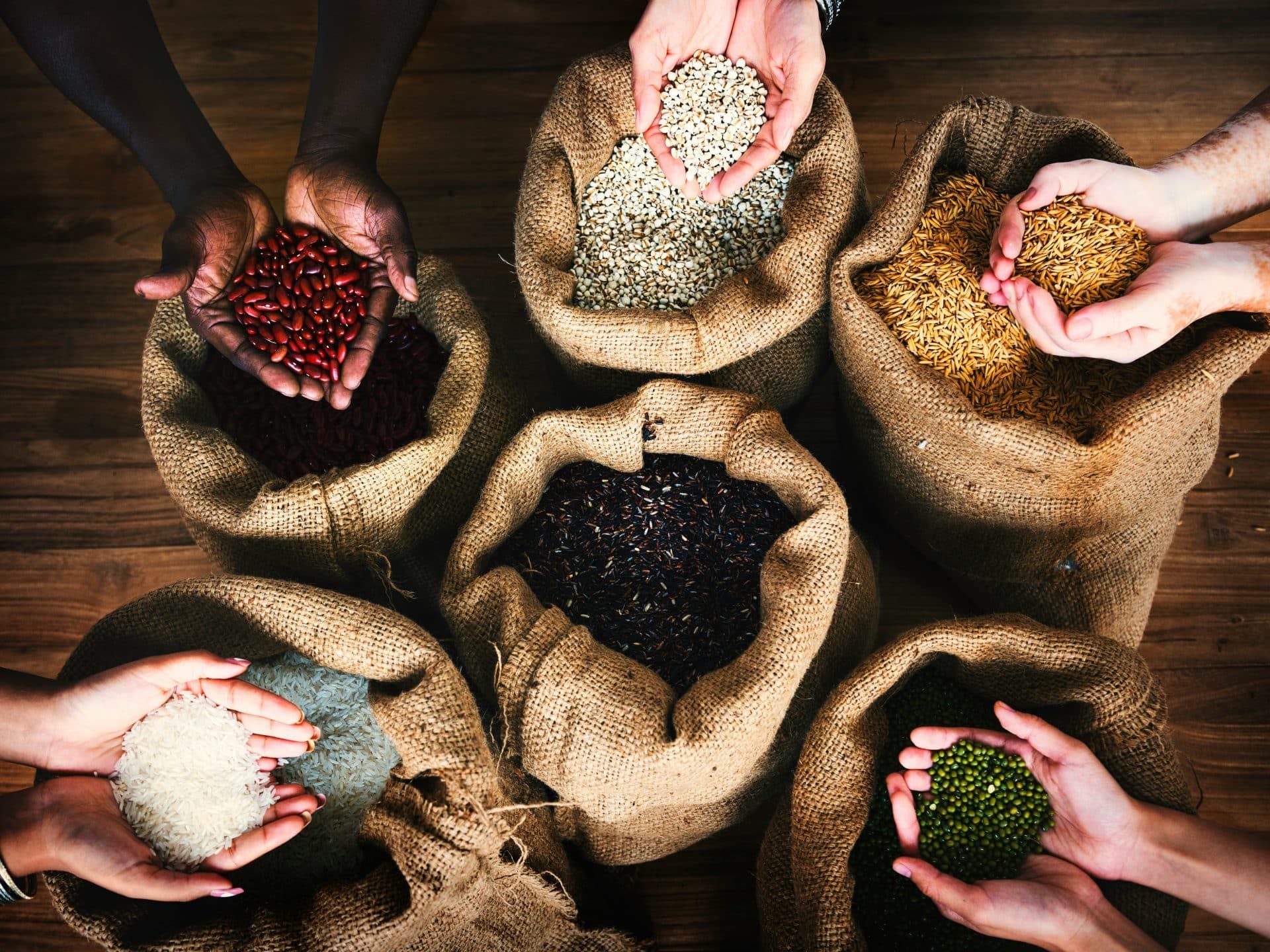
Promotes the consumption of natural, fresh, whole, local and seasonal foods, preferably organic and minimally processed.
It significantly reduces the consumption of ultra-processed foods, added sugars and low-quality fats, promotes the reduction of substances that alter the regulation of the nervous system, such as coffee and alcohol, and promotes what favors greater energy stability and a more refined perception of the body’s signals.
It gives a central role to cooking and argues that the way food is prepared modifies its physiological, digestive and metabolic effect. It promotes greater food awareness and nutritional education, since it seeks for everyone to observe the effect that each food has on their body.
Origins and philosophy
The first record of the term macrobiotics appears with Hippocrates and arises from the Greek makros (great) and bios (life), referring to a lifestyle aimed at promoting health and longevity. The original meaning of the word “diet” is very different from the use we give it today. Hippocrates coined the term “diaita” to refer to a way of life, whose central axis was the selection and preparation of food with therapeutic purposes.
“Currently, even though modern medicine continues to be based on the Hippocratic Oath, the focus on healing through food has been lost,” says Nuria Martínez, a dietician nutritionist expert in integrative nutrition, who clarifies: “This is where macrobiotics recovers its value, by proposing an integrative, personalized and therapeutic vision of food.”
Principle of yin-yang balance
The nutritionist dietician, an expert in integrative nutrition, explains that macrobiotics was systematized in the 20th century by the Japanese thinker and popularizer Georges Ohsawa (Nyoichi Sakurazawa), who wanted to delve deeper into the relationship between food, energy and disease. Inspired by traditional Japanese medicine, Eastern thought and the principle of balance between opposing forces, he developed a life system based on the adaptation of food to the physical, emotional and energetic state of the person. His proposal was not a closed diet, but a method of understanding and observation, based on the dynamic balance between yin and yang energies, applied not only to food, but also to the way of cooking, the environment, the climate and the lifestyle.
Advantages and disadvantages of the macrobiotic diet
«As it is conceived as a tool with therapeutic potential, its advantages and possible drawbacks are subject to being applied with knowledge and flexibility,» warns Nuria Martínez, who goes into great detail: «As advantages, it improves the overall quality of the diet by prioritizing natural and whole foods, favors digestive function, promotes nutritional education and encourages greater awareness about the relationship between food, health and sustainability. As aspects to clarify, some of the interpretations or classic versions propose a high proportion of whole grains that cannot be Adjusting to a nutritionally sufficient diet and its correct application requires nutritional and culinary knowledge.”
Foods in the macrobiotic diet: which are allowed and which are prohibited?
ALLOWED
- Natural, fresh, whole, local and seasonal foods, preferably organic and minimally processed.
- To drink, kukicha tea, bancha or cereal coffees (for greater energy stability and better perception of the body’s signals).
- Fermented foods, such as miso, tamari or umeboshi, which, in small quantities, like other fermented foods, can help improve digestive function, balance the microbiota and support intestinal transit.
- Everything vegetable, including legumes and their fermented derivatives – tofu or tempeh or made from chickpeas or lentils. Among the legumes, better azuki beans and red lentils to be digested more easily and can be used in digestive disorders.
- Seaweed, such as wakame or kombu, because they provide minerals, can improve the digestibility of legumes and provide umami flavor.
- Fish in the macrobiotic diet is considered a complementary, non-essential food, consumed in moderation, but present several times on menus.
PROHIBITED
- Ultra-processed foods, added sugars and low-quality fats, including sugary drinks, sausages and industrial products, should be reduced.
- Substances that alter the regulation of the nervous system, such as coffee and alcohol, are the same.
- The fruit adapts to the context and the season. In cold seasons or in certain digestive cases, it may be preferred cooked, steamed or in compote, as it is more digestive.
- The vegetable also adapts to the context and digestive state. In some situations, cooked vegetables can be prioritized, since raw vegetables can require greater effort for a compromised digestive system.
- The dairy ones. Due to a traditional cultural and geographical issue (they were not in the traditional Japanese diet), they were replaced with soy and its derivatives. As a source of calcium: sesame and tahini, certain seaweed and broccoli. In current, more flexible approaches, they can be consumed occasionally, for example, to facilitate adherence to the diet.
- Nightshades (tomato, eggplant, potato and pepper) were usually left out of the pattern due to being considered acidifying foods. In the current, more flexible approach, this restriction is usually reserved for certain therapeutic contexts where these foods are not recommended.
How to start the macrobiotic diet
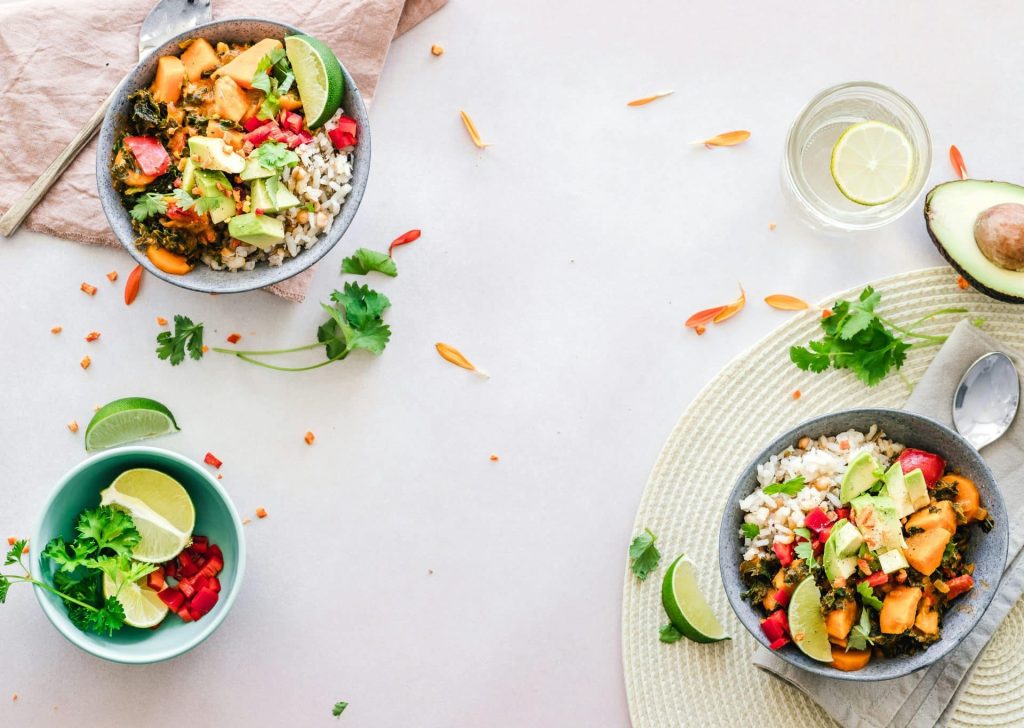
Macrobiotics does not have to be monotonous or restrictive. With appropriate culinary techniques it can be tasty and pleasant cooking, while maintaining its therapeutic value.
Weekly menu example
MONDAY
- Breakfast: Whole oatmeal porridge with vegetable drink, cooked apple, cinnamon and sesame seeds. Cereal coffee.
- meal: Warm escarole salad with radishes and walnuts. Lentil stew with vegetables and brown rice.
- Snack: Pear and walnut compote.
- dinner: Sweet pumpkin cream. Braised tofu with tamari and ginger.
TUESDAY
- Breakfast: Whole wheat sourdough bread with hummus and avocado. Kukicha tea.
- meal: Cooked broccoli and carrot with mustard vinaigrette sauce. Baked hake with lemon. Quinoa garnish.
- Snack: Baked apple with cinnamon.
- dinner: Steamed leek and carrot with EVOO. Pickled tempeh.
WEDNESDAY
- Breakfast: Millet cream toast with cinnamon and hazelnuts. bancha tea
- meal: Sautéed cabbage with carrots, raisins and mushrooms. Chickpea stew with pumpkin and turmeric.
- Snack: Pear cooked with dried apricots and hazelnut cream.
- dinner: Salmon en papillote with baked vegetables.
THURSDAY
- Breakfast: Cream of red rice with millet and apple compote. Kukicha tea.
- meal: Multicolored vegetable wok. Chicken stew with vegetables. Brown rice garnish.
- Snack: Apple compote and red fruits.
- dinner: Miso soup with wakame, vegetables, tofu and rice noodles.
FRIDAY
- Breakfast: Whole wheat toast with sardine pâté, sprouts and arugula leaves. Bancha tea.
- meal: Green salad with vinaigrette sauce. White bean stew with cod.
- Snack: Baked sweet potato with cinnamon and walnuts.
- dinner: Whole wheat roasted vegetable pizza with ground almonds and nutritional yeast.
SATURDAY
- Breakfast: Buckwheat bread with tofu pâté with mushrooms and lamb’s lettuce leaves. Kukicha tea.
- meal: Buckwheat pasta with sautéed vegetables, shiitake and marinated tofu.
- Snack: Homemade oatmeal, raisin and sesame cookies.
- dinner: Tofu, cashew and mushroom quiche.
SUNDAY
- Breakfast: Buckwheat crepes with hazelnut and chocolate cream. Cereal coffee.
- meal: Endive salad with tangerine dressing. Fish and brown rice paella.
- Snack: Homemade carrot cake and cashew cream.
- dinner: Fish soup with vegetables.
The macrobiotic diet in special cases
Diabetes
«For better glycemic stability, I recommend more whole foods rich in fiber, well-cooked cereals, legumes and vegetables and less ultra-processed foods and added sugars. It is important to adjust the amount and type of cereals to each person, as well as the distribution of macronutrients, to prevent glycemic decompensations,» explains Nuria Martínez.
Celiac disease
“By using cereals or pseudocereals such as rice, millet, quinoa or buckwheat (which do not have gluten) and encouraging the consumption of fresh foods and home cooking, it makes life easier and the control of cross contamination, in addition to not depending so much on ultra-processed gluten-free foods,” Martínez points out.
Pregnancy
“Principles such as the consumption of natural foods, the prioritization of home cooking, the use of gentle cooking and the reduction of ultra-processed products, constitute an adequate basis within a balanced eating pattern adapted to the needs of pregnancy, always under the supervision of a health professional,” concludes the expert.
Expert opinions on the macrobiotic diet
What the Ministry of Health says
Health authorities, such as the Spanish Agency for Food Safety and Nutrition (AESAN), warn of the risks associated with restrictive or poorly planned diets, especially when they are applied without professional supervision or in a vulnerable population. In this sense, macrobiotics should not be understood or applied in a rigid or dogmatic way. The possible risks do not derive from the approach itself, but from extreme interpretations or nutritionally based caregivers, with its individual adaptation and integration with evidence-based nutrition criteria being essential. Likewise, no dietary pattern should be applied as a substitute for medical treatment or without the supervision of a qualified health professional.
Frequently asked questions
Is the macrobiotic diet vegetarian?
It is a mainly plant-based dietary pattern, but not strictly vegetarian since, as Nuria Martínez confirms, “it can include eggs, fish and small amounts of white meat.” It all depends on the person’s health status and context.
Is it suitable for everyone?
«Yes, at least for the majority, as long as it is applied individually. Of course, it requires having adequate nutritional and culinary knowledge. Furthermore, when its principles are used and adapted to the foods specific to each environment, it can be a valid option to move away from the Western dietary pattern based on the consumption of ultra-processed products,» suggests the expert.
What risks does it have?
Nuria is clear: The possible risks associated with macrobiotics are not specific to this approach, but common to any dietary pattern applied without adequate knowledge, without personalization, or in an excessively rigid manner. “It is true that some postulates of classical macrobiotics, which proposed very restrictive approaches, are not very appropriate in the current context, since they make long-term adherence difficult and can distance the person from a healthy relationship with food,” he points out.
The ALDI Council
If you follow a macrobiotic diet, ensure basic foods and if you have doubts, consult a dietician-nutritionist to avoid nutritional deficiencies.

Nuria Martinez. Degree in Nutrition and Dietetics at the University of Zaragoza, registered in Aragon and member of the Spanish Academy of Nutrition and Dietetics. She is the director of Nuria Martínez Center for Integrative Nutrition and CEO of the company Balmar Prevention. Instagram: @laeradenuria


